
Elizabeth Willis, my great-great-grandmother.
Elizabeth Willis was born on 20 February 1820. Her father, Henry, was 39 and her mother, Martha, was 32. She married Joseph Leake in October 1841 in Southampton, Hampshire. They had seven children over 17 years. She died in September 1883 in Hampshire at age 63.
Elizabeth was born in the small village of Beaulieu. The name comes from the French beau lieu, meaning “beautiful place.” The village grew around Beaulieu Abbey.
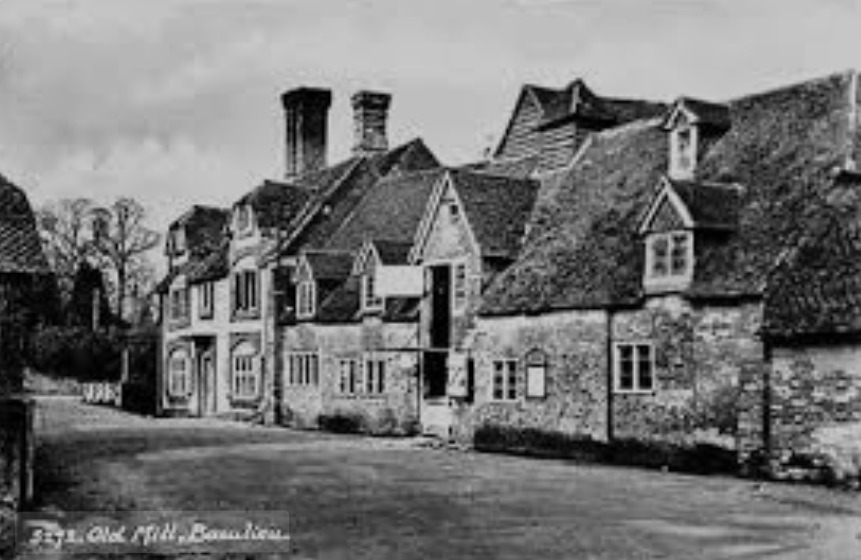
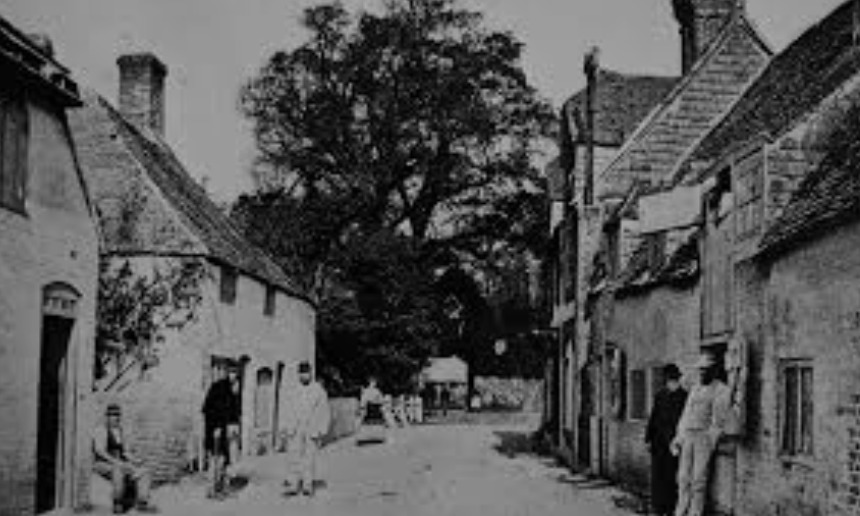
She was baptised in All Saint’s Church, which once stood at the corner of High Street and East Street in the city centre. Her baptism record from 27 February 1820 shows the family living on East Street.
In 1841, she married Joseph Leake. Between 1841 and 1851, they had four children: daughters Emma, Sarah, and Mary Ann, and son Charles.
The 1851 Census shows the family living in Blue Anchor Court: Joseph (35), Elizabeth (31), Emma (10), Sarah (8), Mary Ann (3), and Charles (7 months).
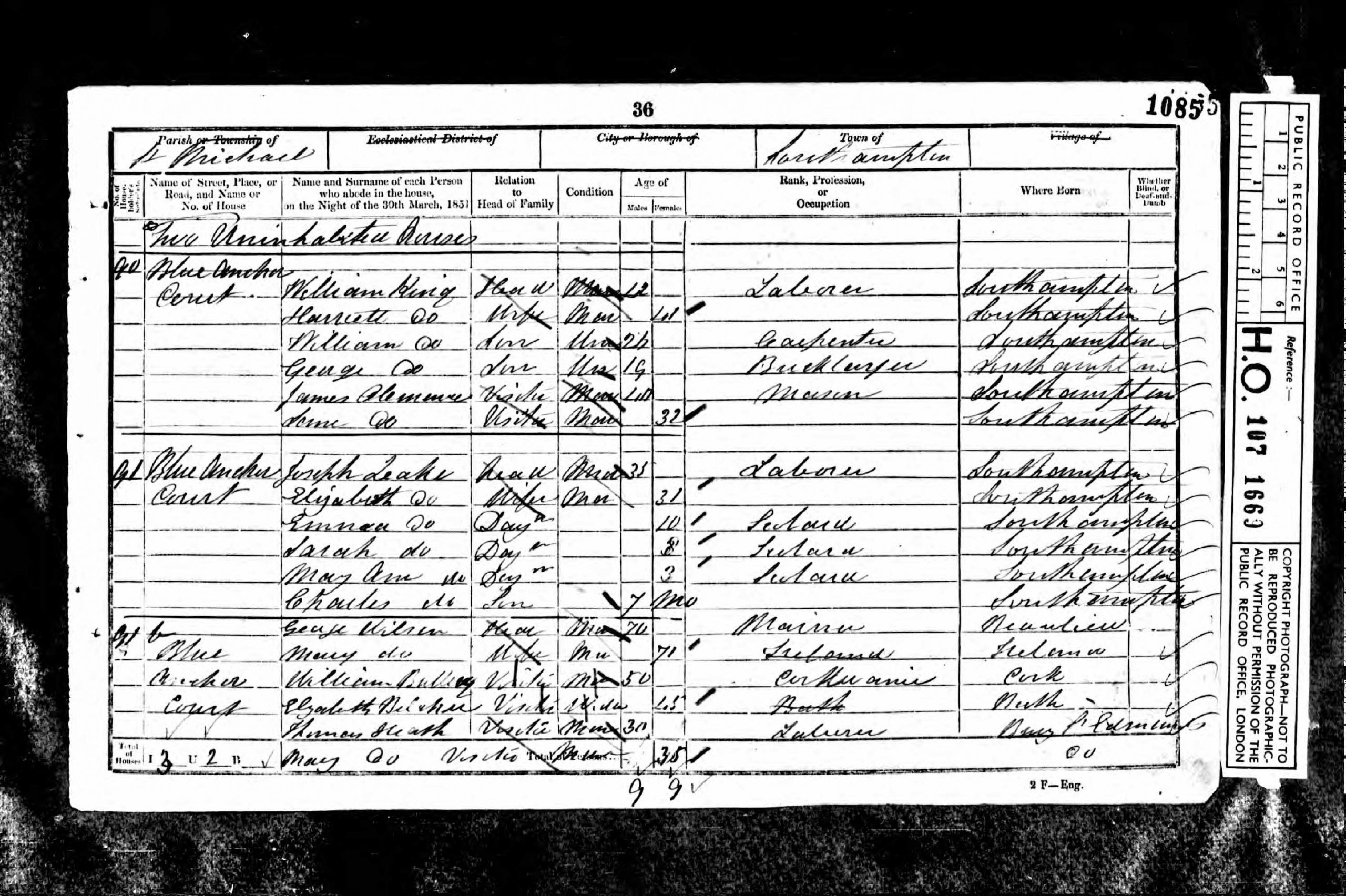
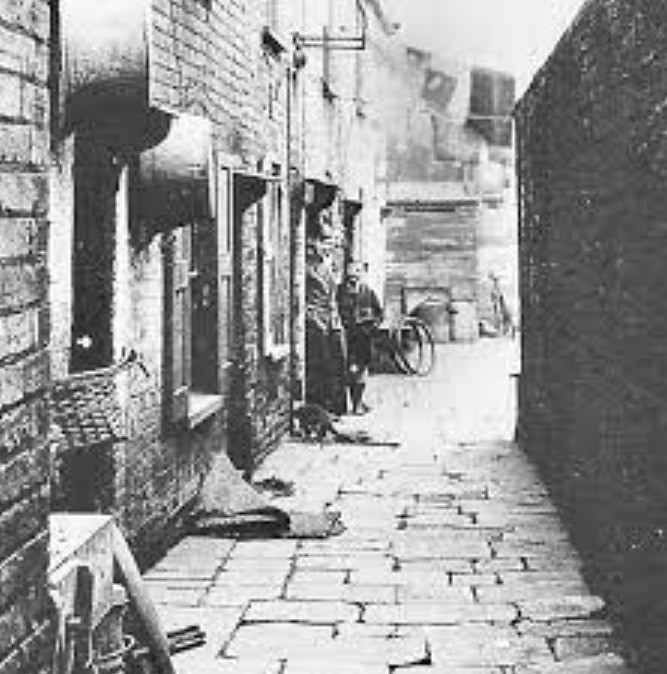
Blue Anchor Court and Blue Anchor Lane in 19th-century Southampton had poor living conditions. The area had rows of dilapidated lodging houses, many of which were condemned or closed by magistrates in the late 1800s due to unsanitary conditions. Residents shared a single water tap that flowed only a few hours a day, and the water was often unfit to drink. The court had no ash pit, and all residents shared a single privy.
By 1861, the family had moved to 4 Castle Lane. There was little improvement in living conditions. Castle Lane in the mid-19th century was a notorious slum, known for squalor and deprivation. Local recollections and newspaper reports from the period describe Castle Lane as an “abode of misery” where “squalor and vice” dominated daily life. “All crimes except murder could be seen in these abodes”, according to contemporary commentator Dr Cooper in 1851. For instance, the Hampshire Advertiser reported that ‘John Parkies, a sailor, was charged with indecently assaulting a little girl, eleven years old, named Eliza Lovejoy. The prisoner lodged in the house of the complainant’s mother in Castle Lane, and committed the offence one evening when Mrs Lovejoy was out, the result being “most lamentable”.
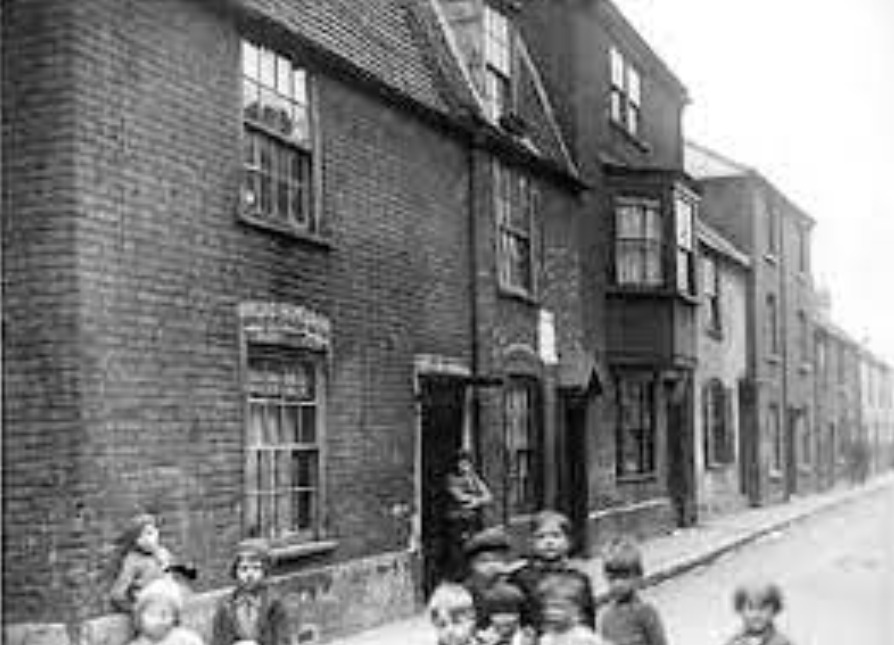
Over the next twenty years, life did not improve for Elizabeth. Her husband died in 1867. She moved to Lansdown Place with her children, Mary, James, Elizabeth, and Charles. After her children left, she spent her last years as a widow in Challis Court. In the late 19th century, Challis Court was known for slum conditions: overcrowding, unsanitary surroundings, and frequent health violations. These were the same problems found in Blue Anchor Court, Castle Lane, and Lansdown Place.
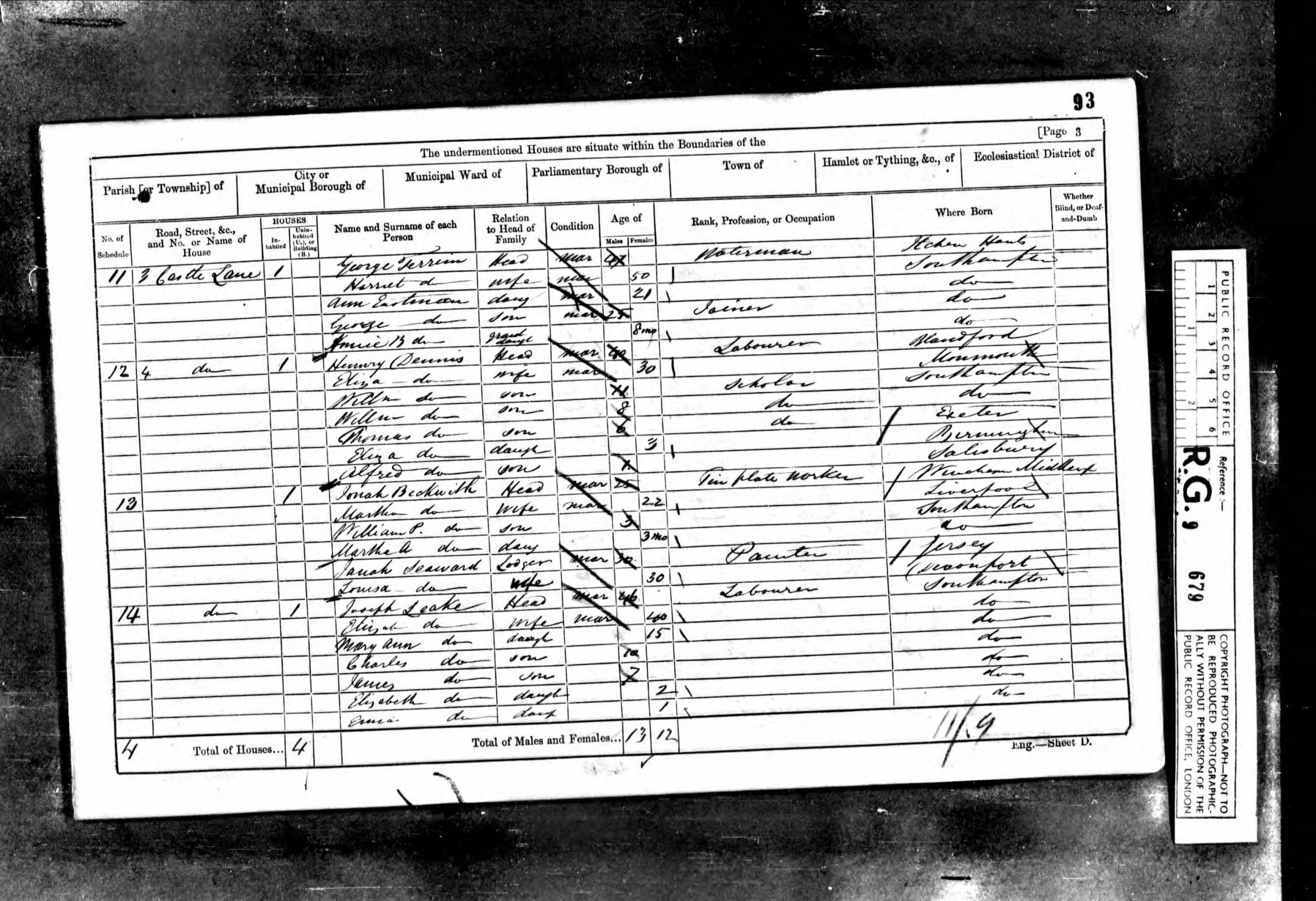
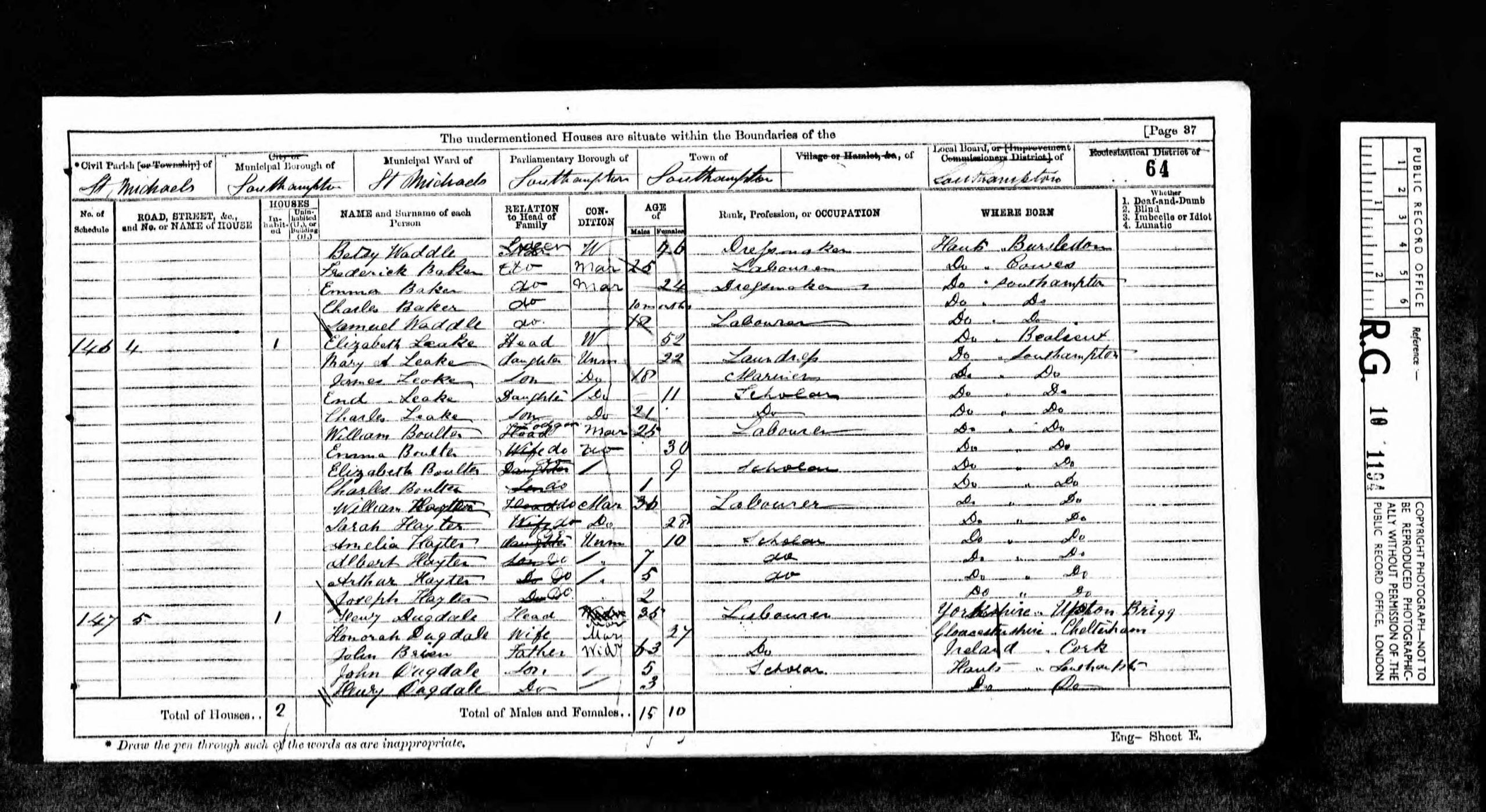
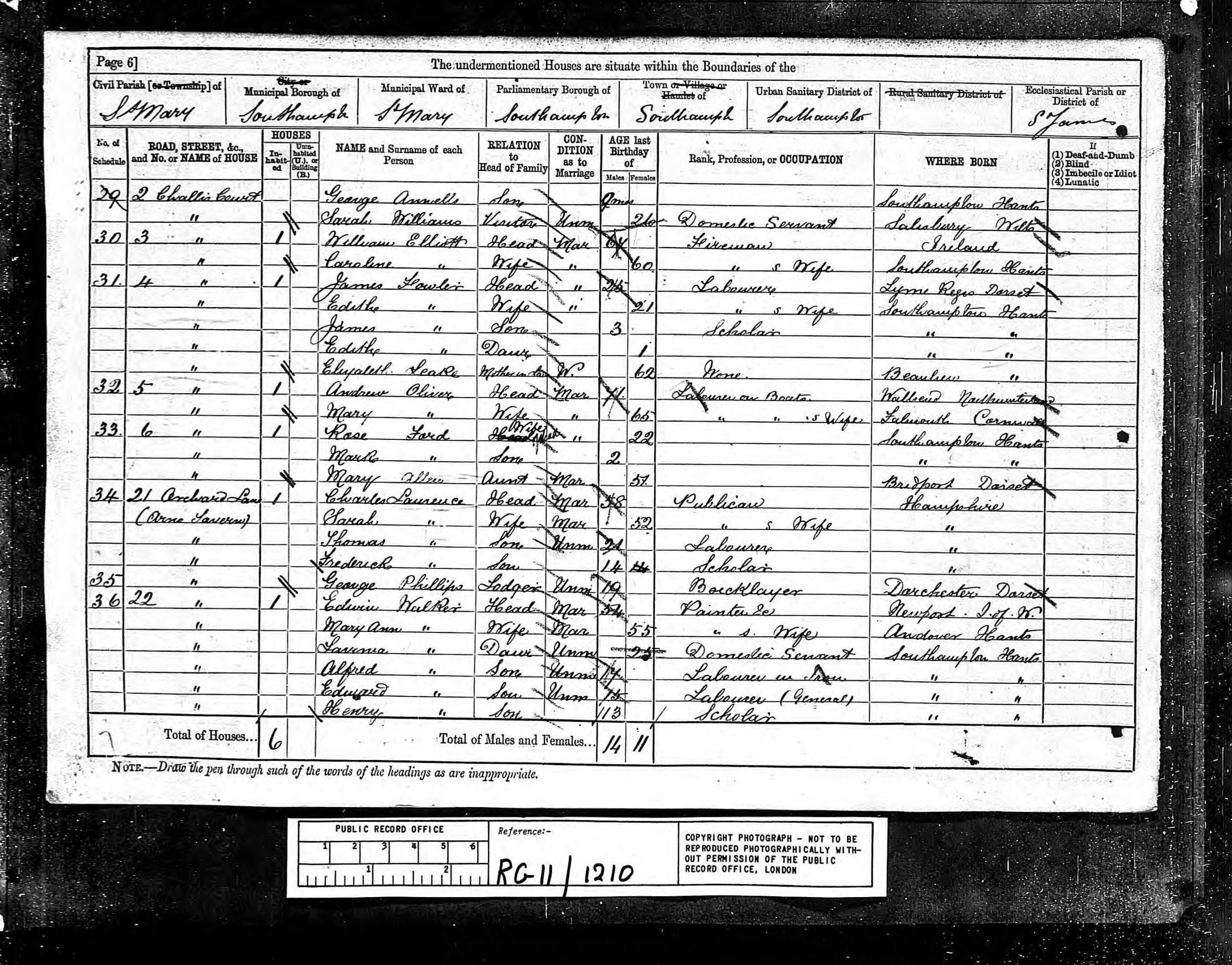
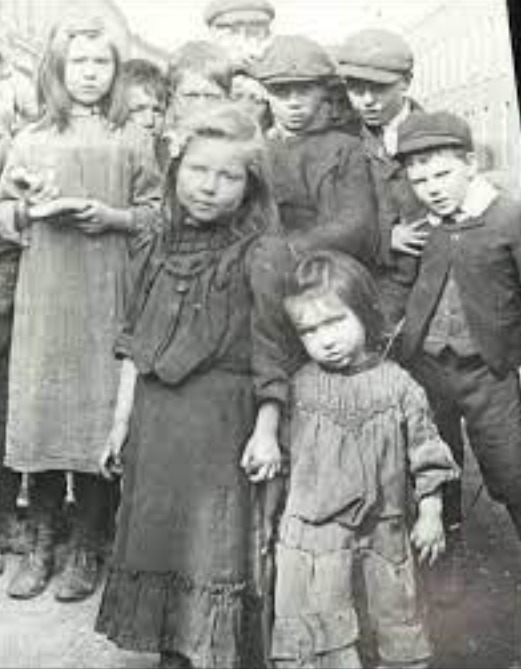
I find it impossible to imagine the dreadful conditions my family faced. They lived with the constant threat of disease, poverty, and crime. The contrast between where she was born and where she died is stark.
Comments are closed